
Win the unavailable job
Any car
Build the pattern while the vehicle is in your shop instead of waiting for a catalog update.
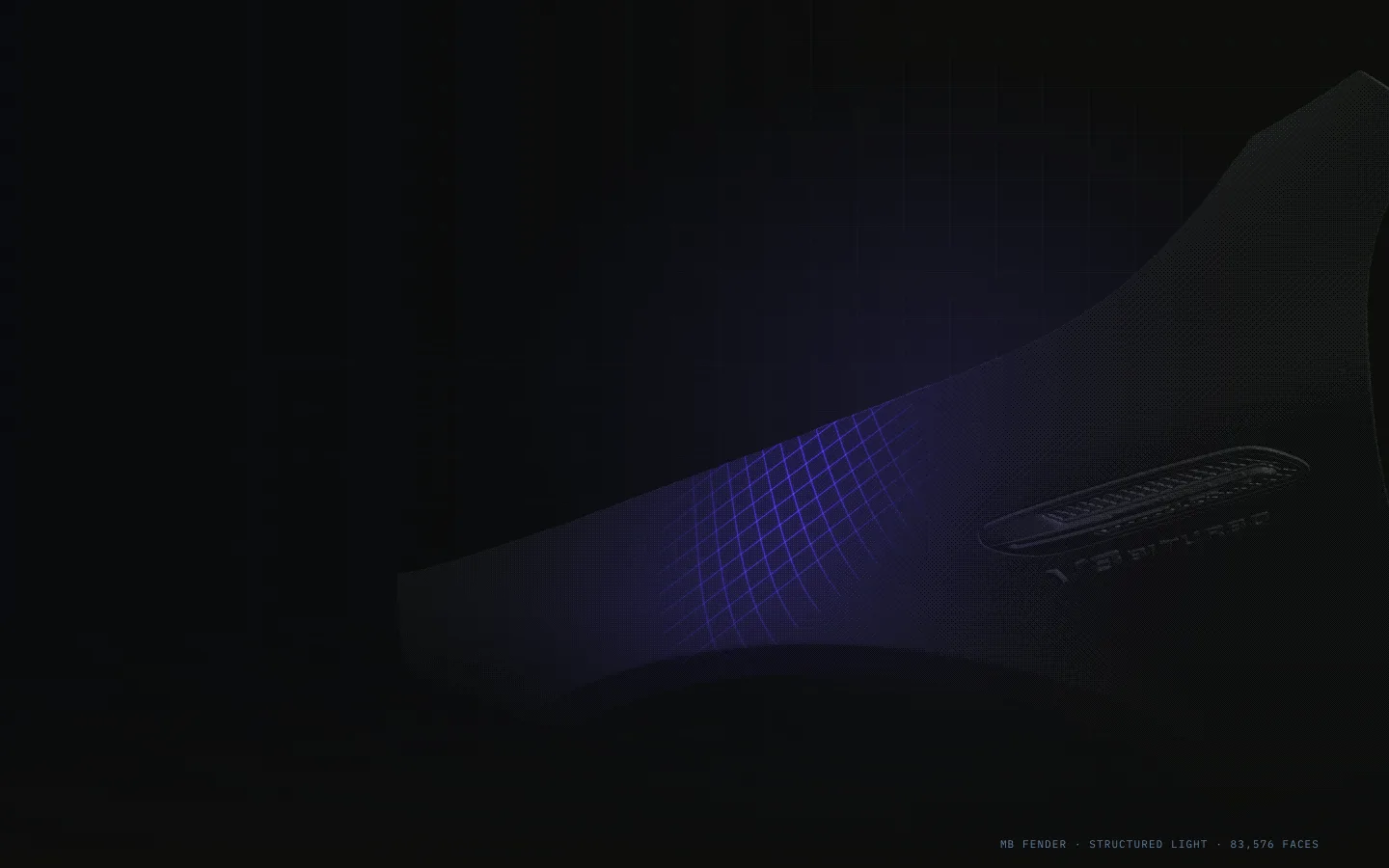
MB FENDER · STRUCTURED LIGHT · 83,576 FACES
3D scan → 2D cutting template
PPF pattern software for custom, missing and early vehicle templates. Turn your own 3D scans into measured, editable, plotter-ready cut files. Any car. Any panel. No catalog wait.
$400 first year · annual price locked · no auto-renew · refundable until delivery
01 · Scan
Any scanner that outputs a mesh, from an entry-level structured-light handheld to an Artec. The scan informs the design; it doesn’t dictate it.
02 · Flatten
Conformal flattening with honest distortion maps: red where the film compresses, blue where it stretches. It measures every result, not just the easy ones.
03 · Cut
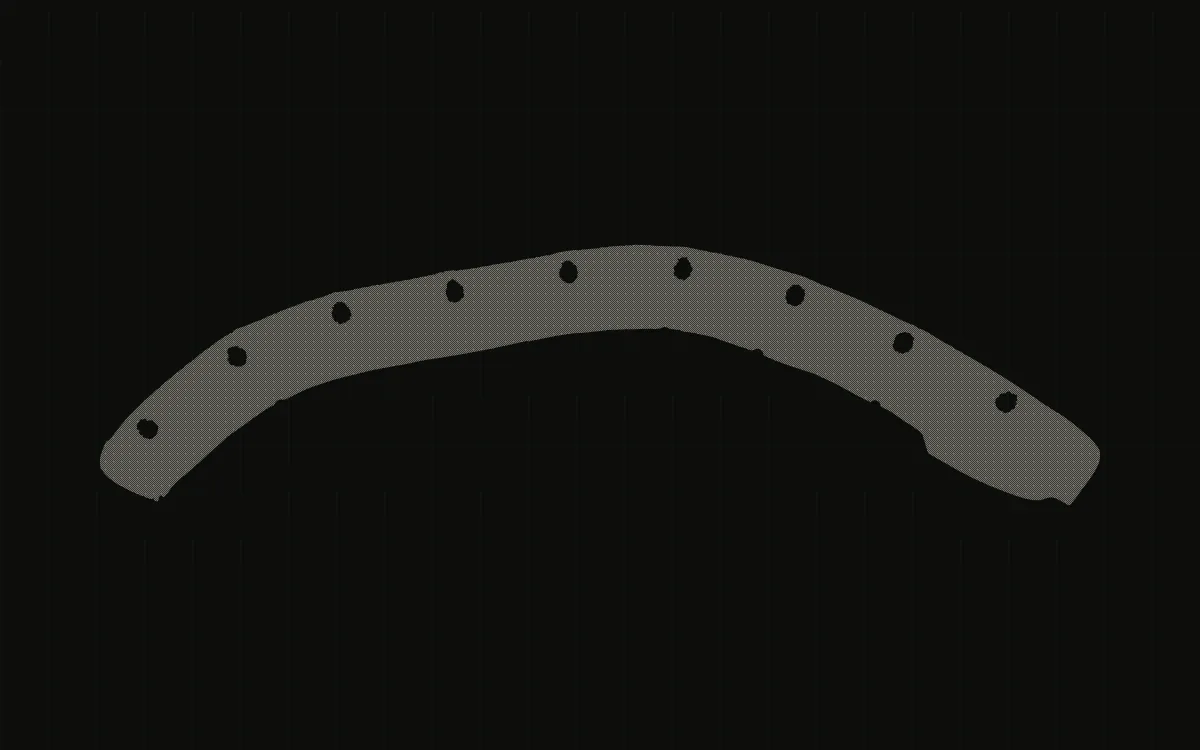
Clean Bézier boundaries, registration marks, a 100 mm scale line. Exports to SVG, DXF and PLT.
Scan mesh
23,849 faces
Template size
608 × 229 mm
Within 8% stretch
>99.9% by area
Exports
SVG · DXF · PLT · Graphtec FC9000
01 Live job
One recovered full-front job can pay for your first year of PPF Engine.
Presale access $400 / 12 months
Say yes to unlisted cars. New models, facelifts and one-off panels.
Design coverage, not compromises. Custom seams, wraps and partial fronts.
Catch waste before the plotter. Stretch, scale and edge checks in pre-flight.
02 The leverage
Pattern libraries make ordinary work convenient. They do not help when the new model is early, the panel is rare, or the customer wants coverage nobody has drawn.
PPF Engine turns the car in your bay into the source of truth. You control the coverage, see the material risk before cutting, and keep the reusable pattern.
Win the unavailable job
Any car
Build the pattern while the vehicle is in your shop instead of waiting for a catalog update.
Sell custom coverage
Any panel
Place the seam and coverage line where the customer needs it, then save it for the next car.
Protect your margin
Before cut
Inspect stretch, dimensions and vector quality before a metre of film comes off the roll.
03 The math
Not just the subscription: the jobs it can’t pattern, that you turn away or cut by hand on paint. Your numbers:
A rough estimate from your own numbers: your scanner, your rates.
The subscription, a year
$2,400
Revenue you turn away, a year
$31,200
What the library costs you, a year
$33,600
PPF Engine is for the jobs your library can’t sell you.
Pre-order & lock $400/yr04 Process
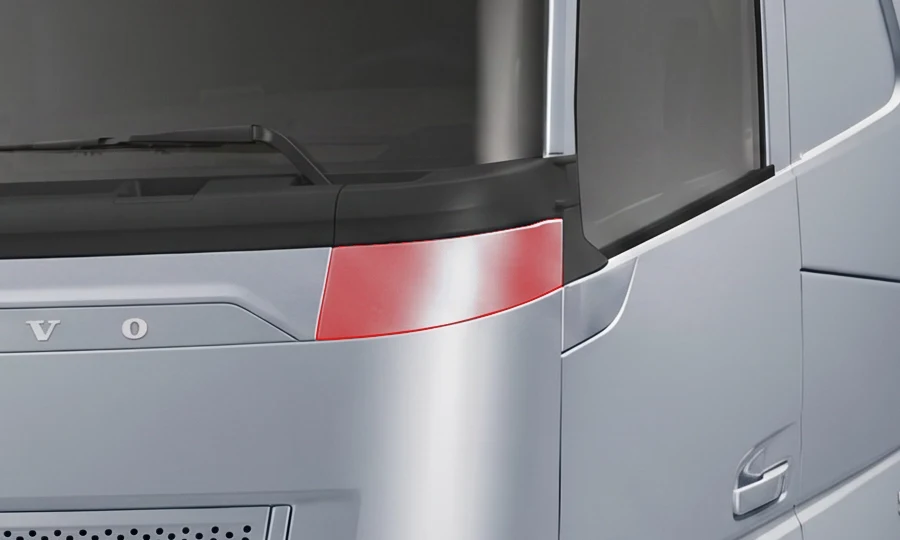
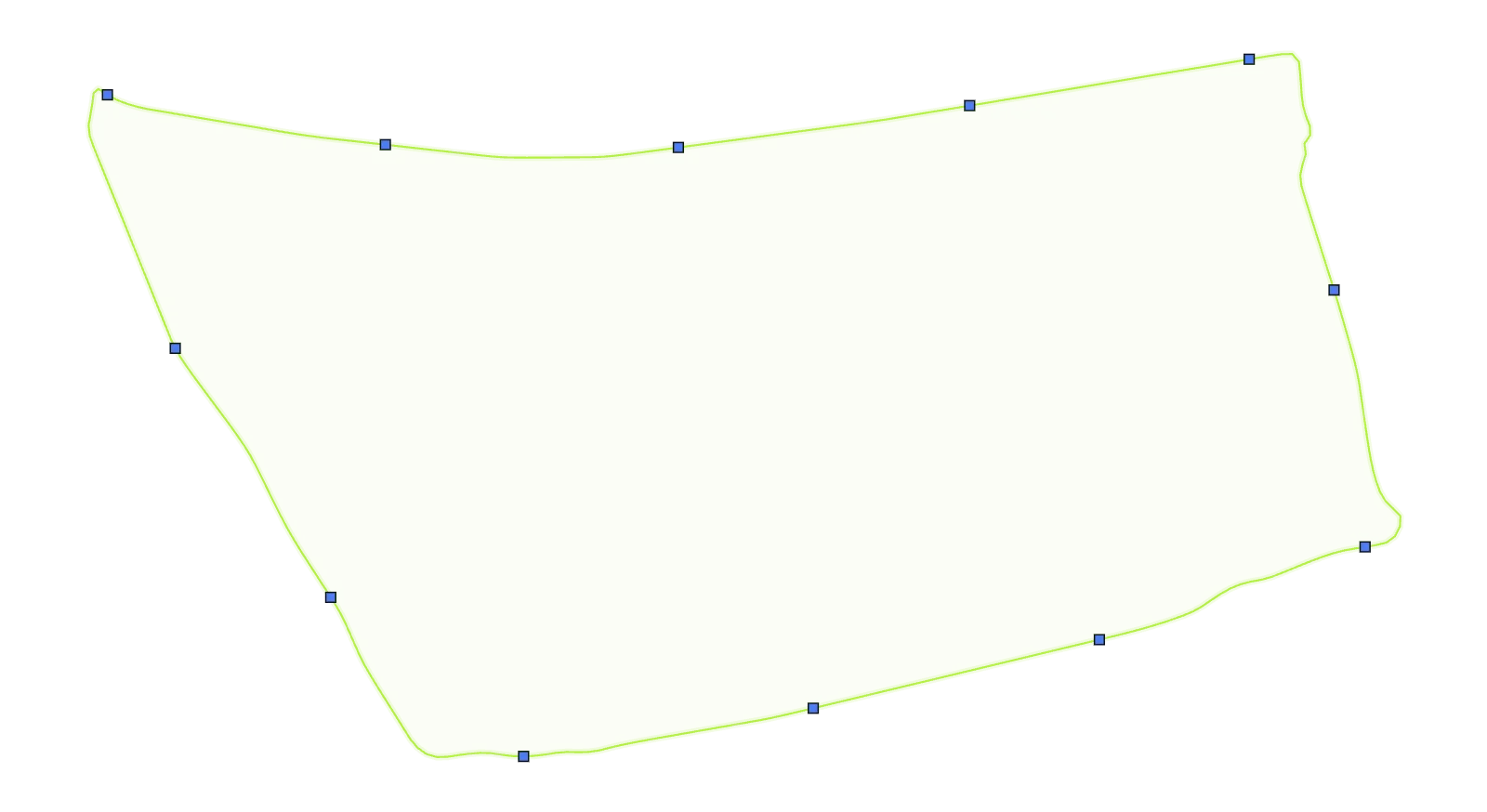
One real Volvo FH Globe panel, from the STL scan on your computer to its matching PPF Engine cut boundary.
Real source · Volvo FH Globe panel
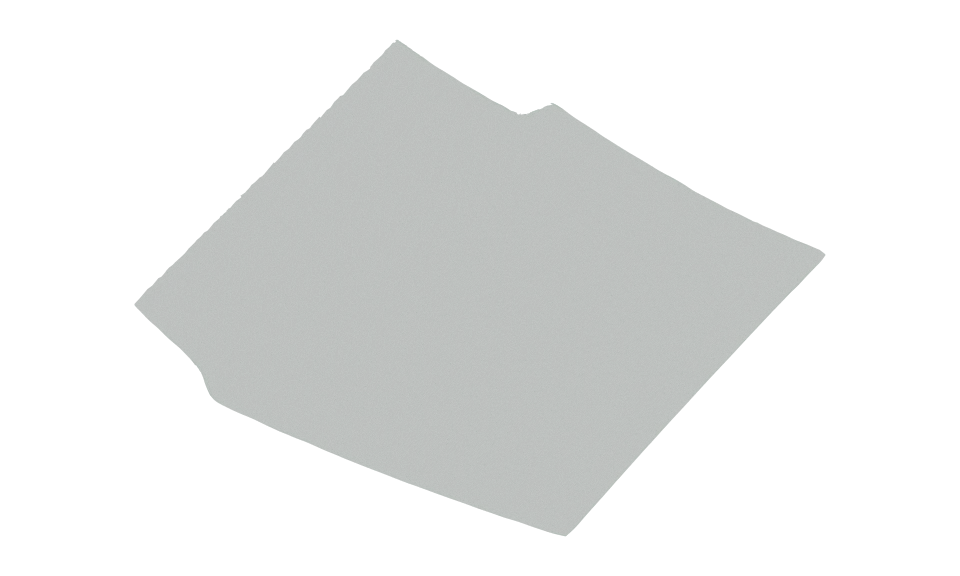
Bring the panel mesh in from your scanner and keep the real surface as the source.
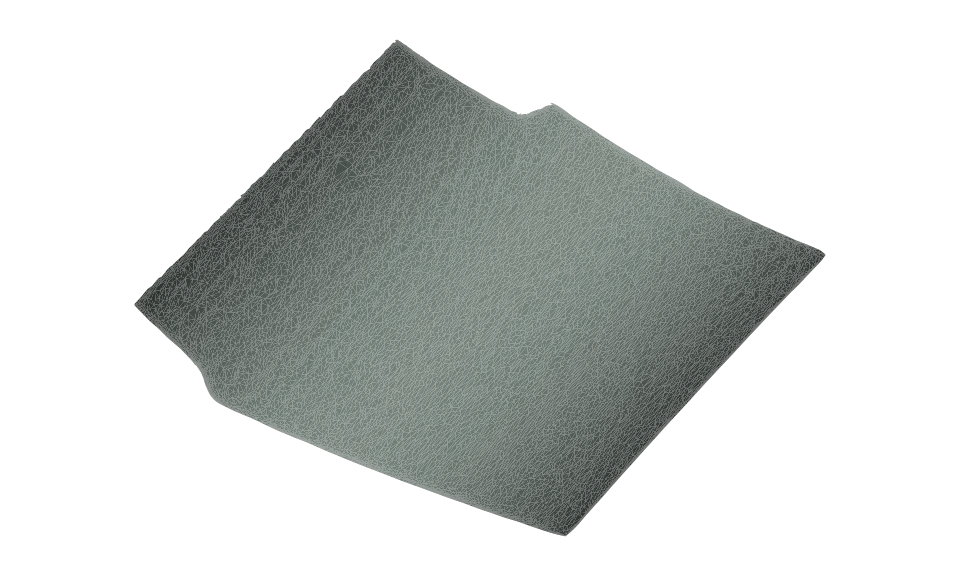
Remove scan noise and prepare an even, workable surface before pattern work begins.
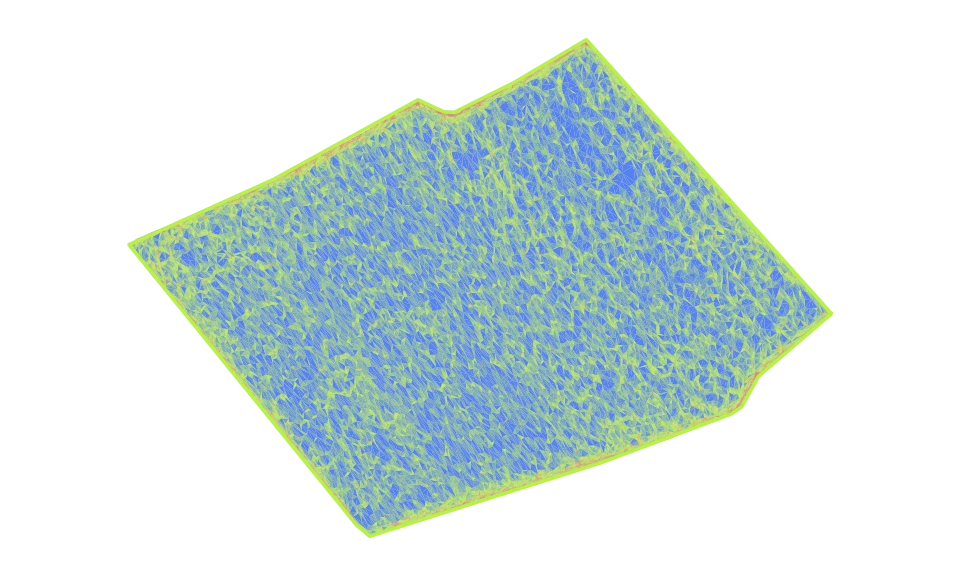
Turn the cleaned scan into a workable two-dimensional mesh while preserving the panel shape.
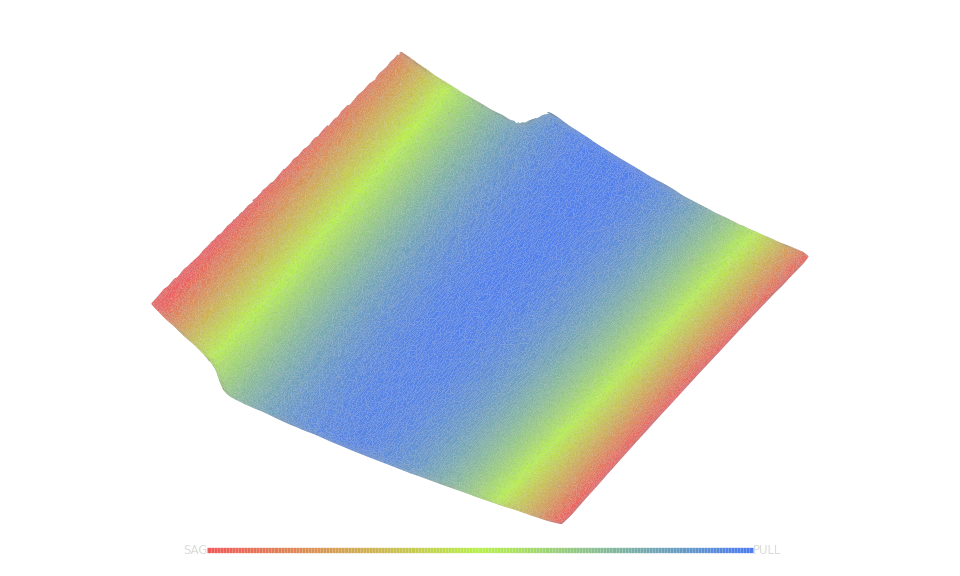
Preview likely pull and compression zones from the panel geometry before cutting film.
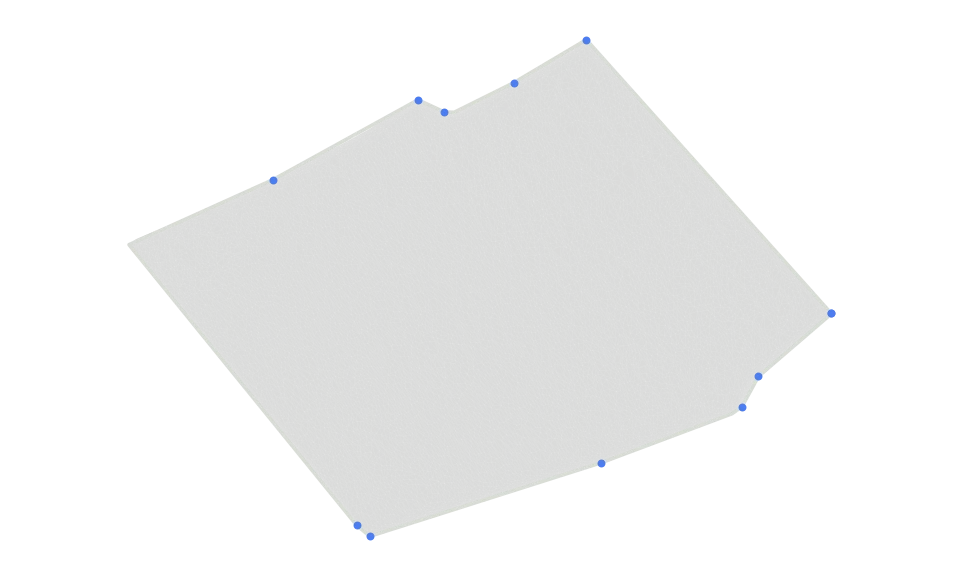
Fit a clean boundary, refine the anchors and send a full-scale file to the plotter.
Source trail Globe window-adjacent panel · real STL scan · 21,090 faces · matching PPF Engine SVG export
05 Craft
A converter would hand you the scan flattened, errors and all. PPF Engine shows every call it makes: where the seam runs, where the film stretches, where a relief cut saves the install. And it lets you overrule any of it.
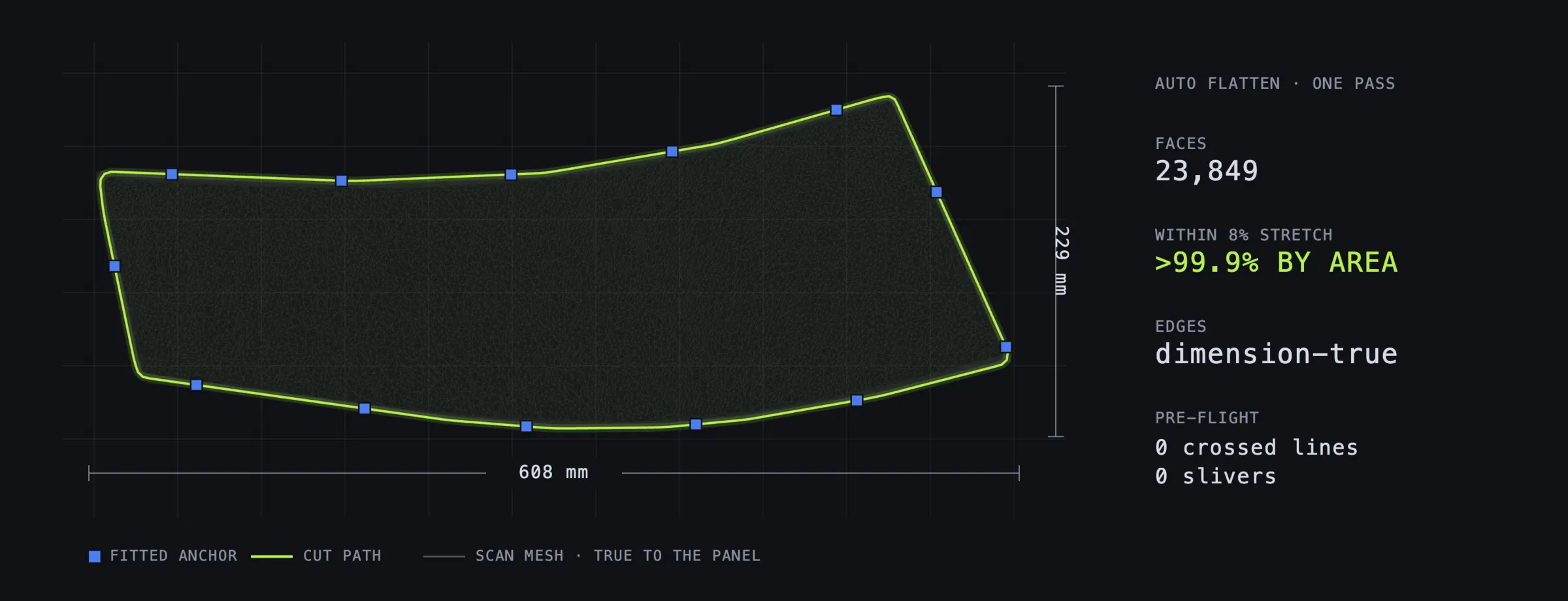
The output is not a tracing. It is a template. Below is the pre-flight for the same Volvo FH trim you just watched flatten: 23,849 scan faces in one pass, a clean cut path fitted with anchors you can grab, edges kept dimension-true, and the stretch graded before any film comes off the roll.
Type the wrap in millimetres: plus wraps past the edge, minus pulls the cut inboard, 0 cuts at the scan edge.
Edge return mm, signed
Creases, character lines and openings are found in the scan and kept as guides, so seams and trim lines land on the panel, not near it.
Guides from the scan
Paint where you would pull the film; the template compensates before the plotter ever runs.
Compensation painted on
Drop a relief cut where the film fights back and watch the stress drain out of the stretch map.
Stress shown live
Dial in pre-stretch per zone, the way you actually rack the film on the panel.
Zones per panel
Three seam tools drawn straight on the 3D panel, exactly where the film should break.
Seam tools 3 kinds
06 Real work
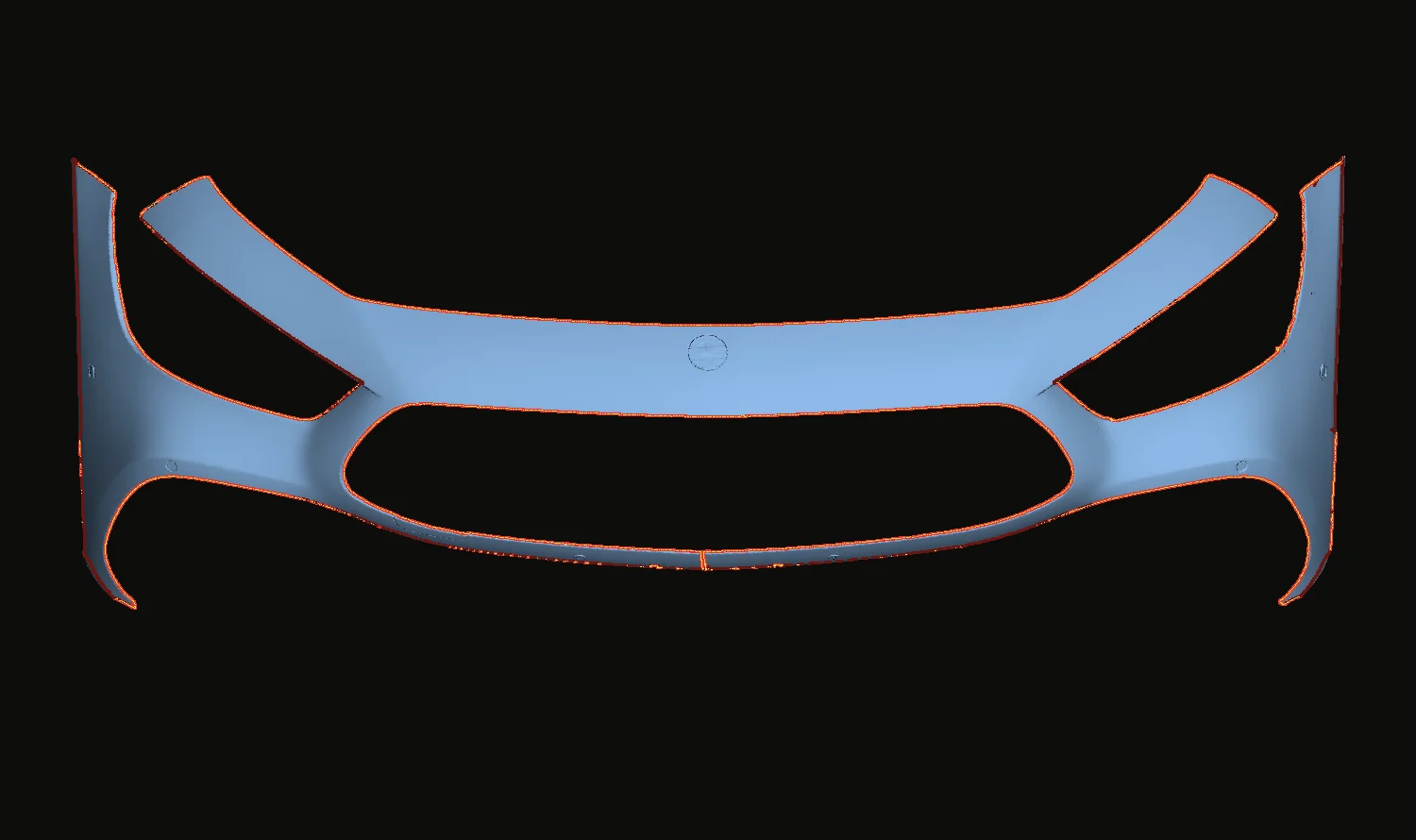
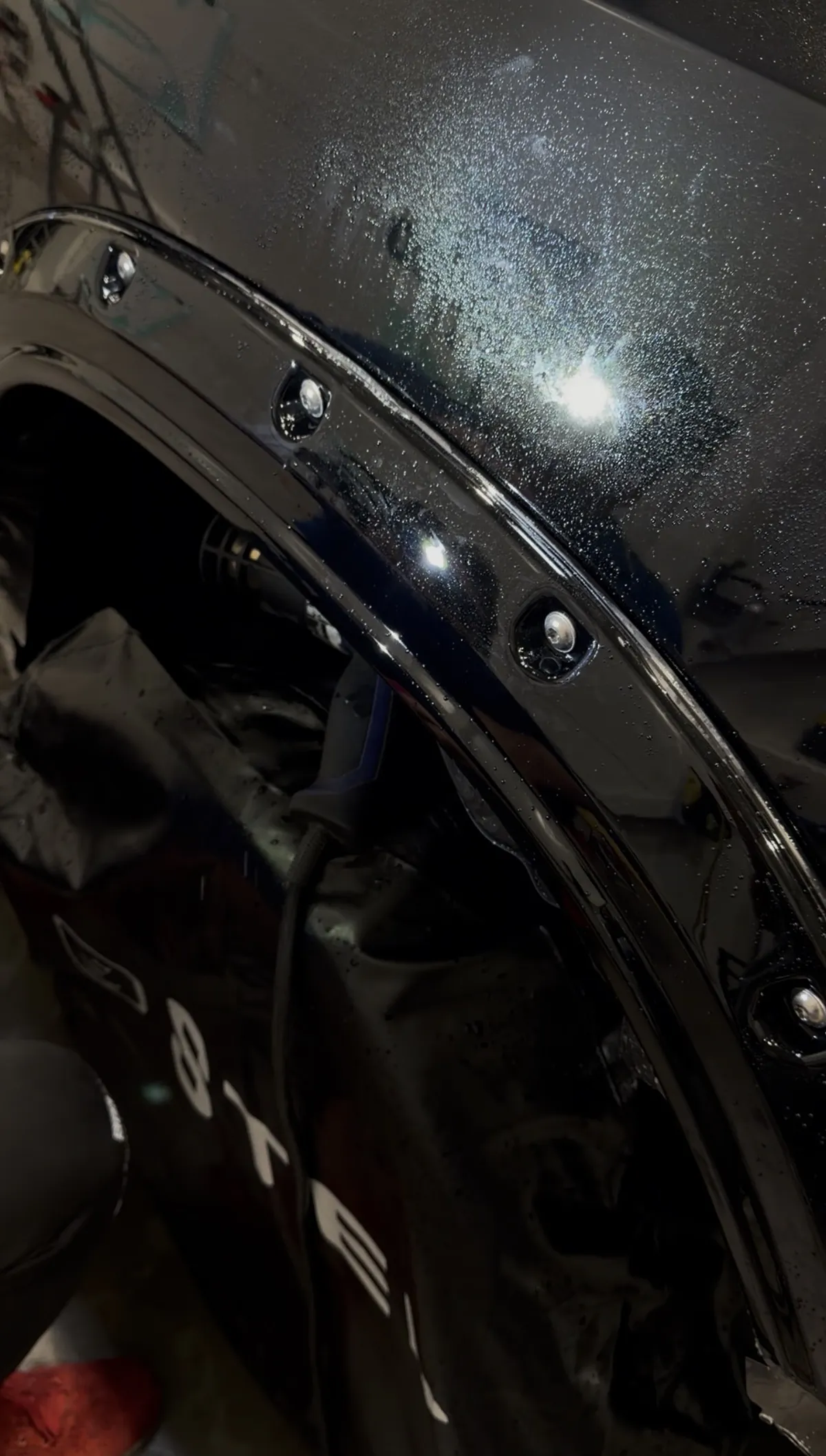
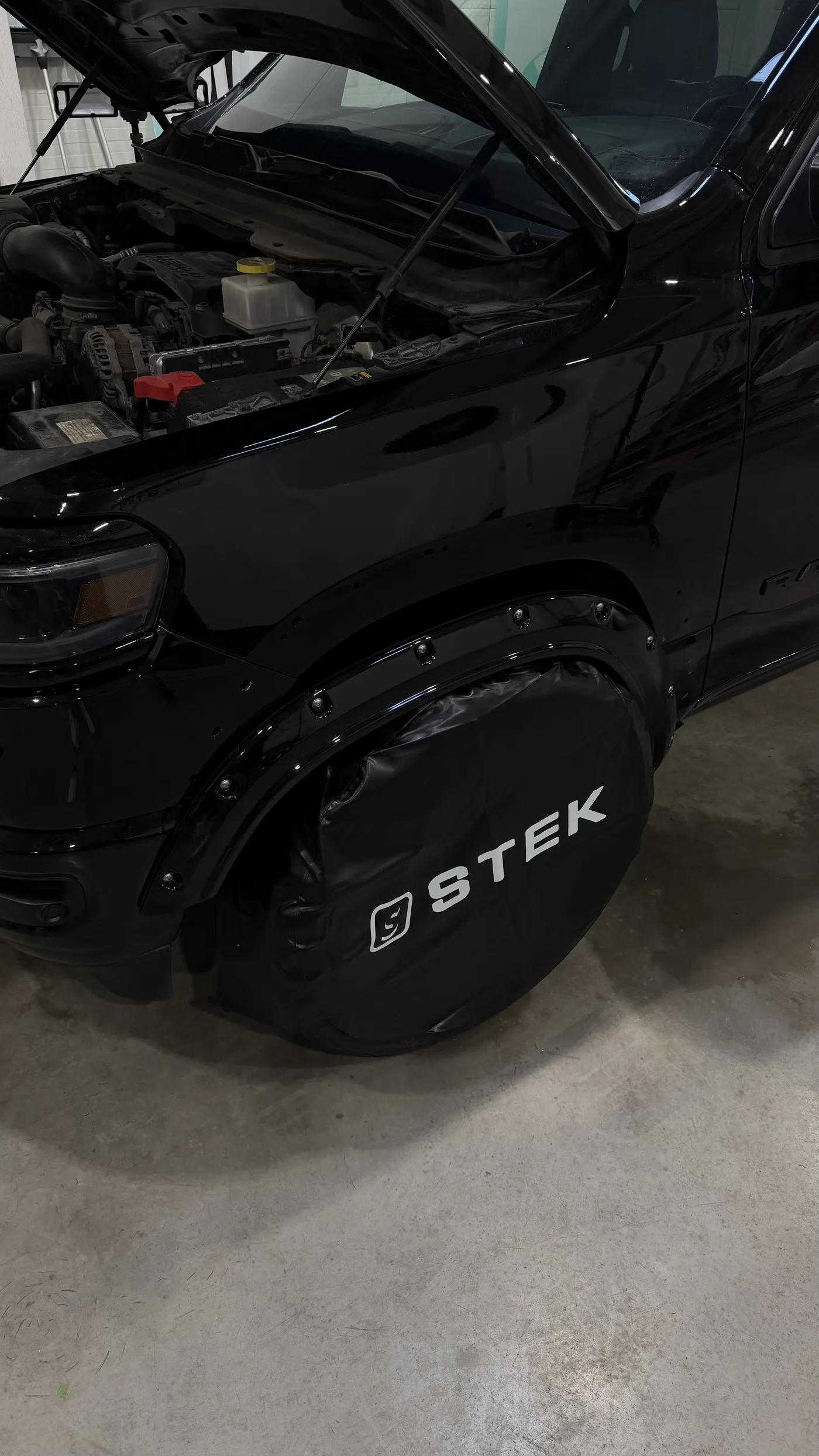
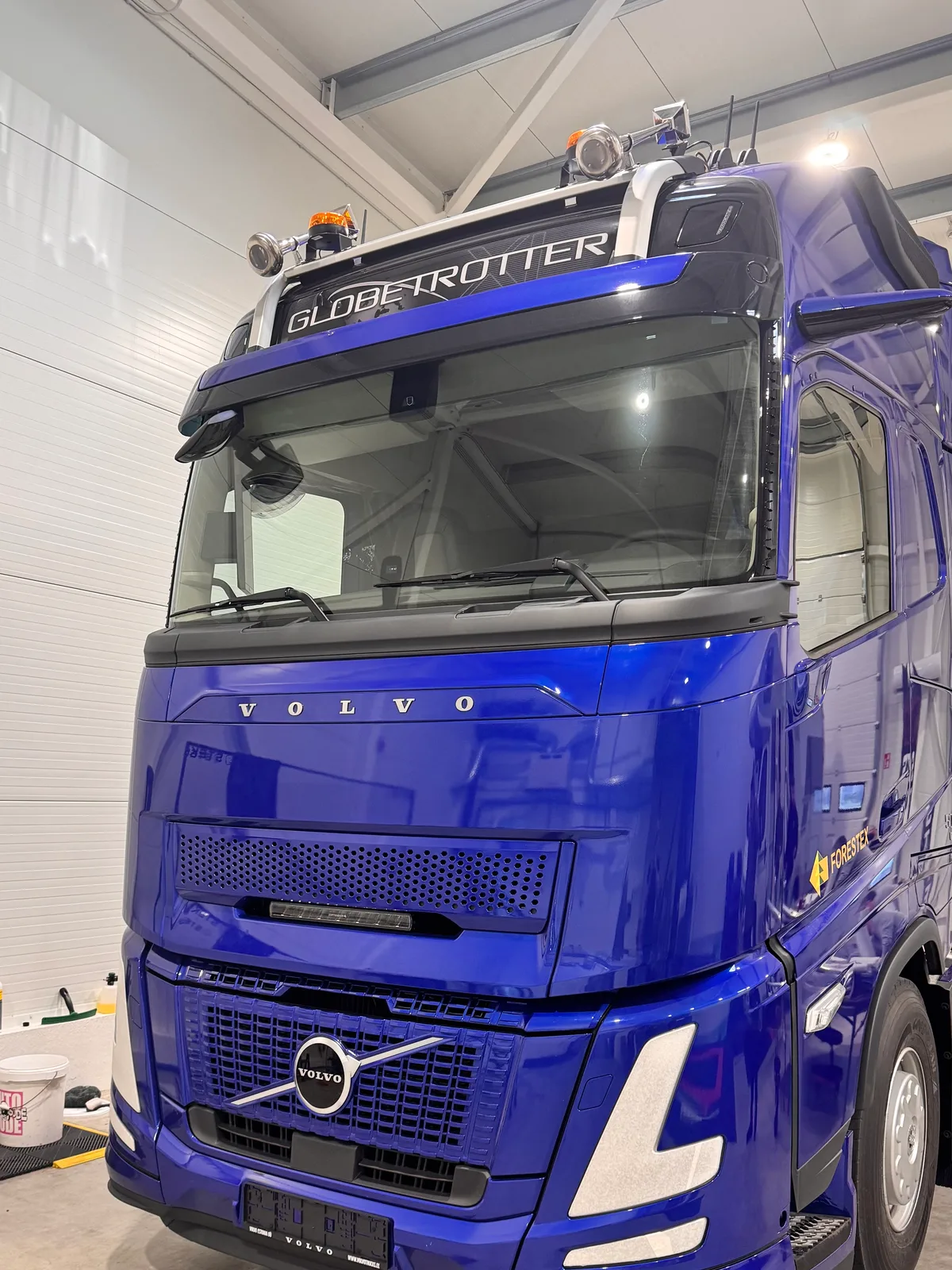
PPF Engine is being built inside a working film-installation studio in Estonia, not a software office. Everything on this page comes off a vehicle that was actually in a bay: a sports car bumper, a pickup on aftermarket flares, a truck no library covers.
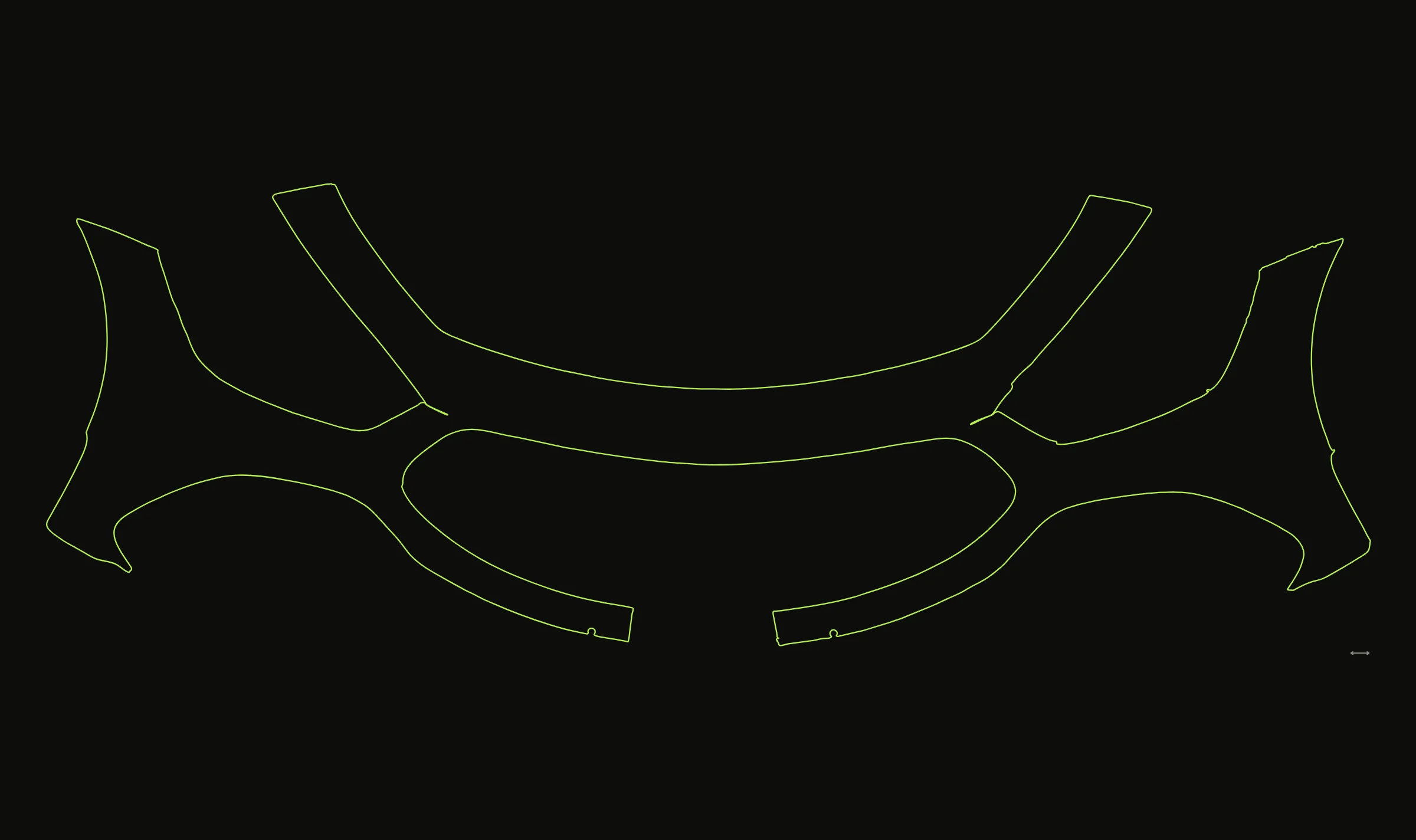 3D scan · cut line 2D cut file
 amg gt front bumper · same job · the flat side is the export, unedited · drag the seam
And the truck behind this page
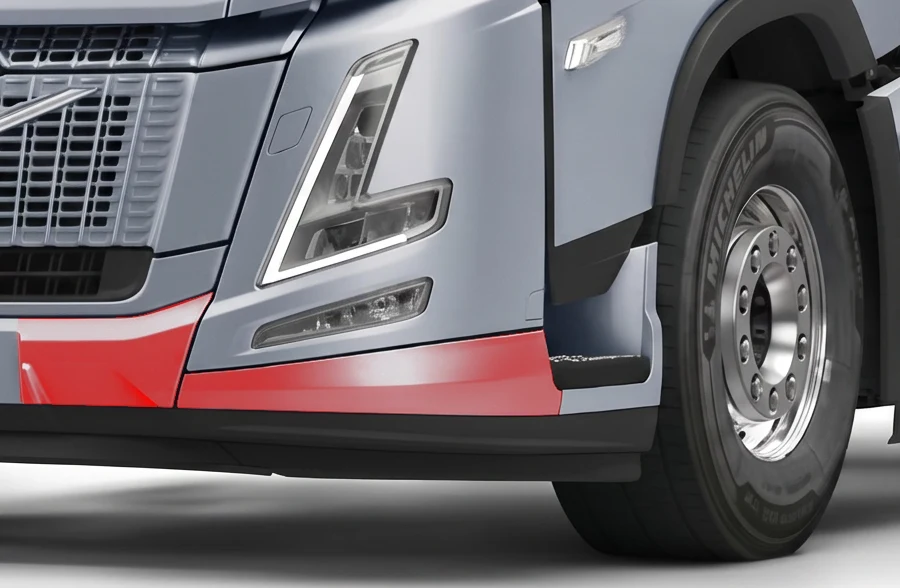
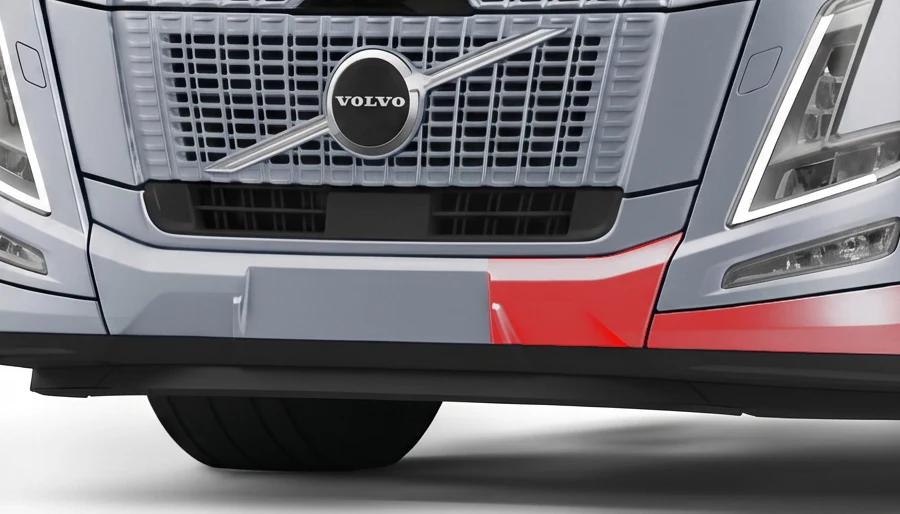
It came in for stone-chip protection and no pattern library covers it. We scanned the front end panel by panel, flattened the scans in PPF Engine, cut the templates on a Graphtec and installed the film. The pre-flight above is one of its panels. Below are three more, each beside the spot on the truck it protects, exactly as they went to the plotter.
Panels patterned
8
Pattern source
our own scans
Status
cut · installed · on the road
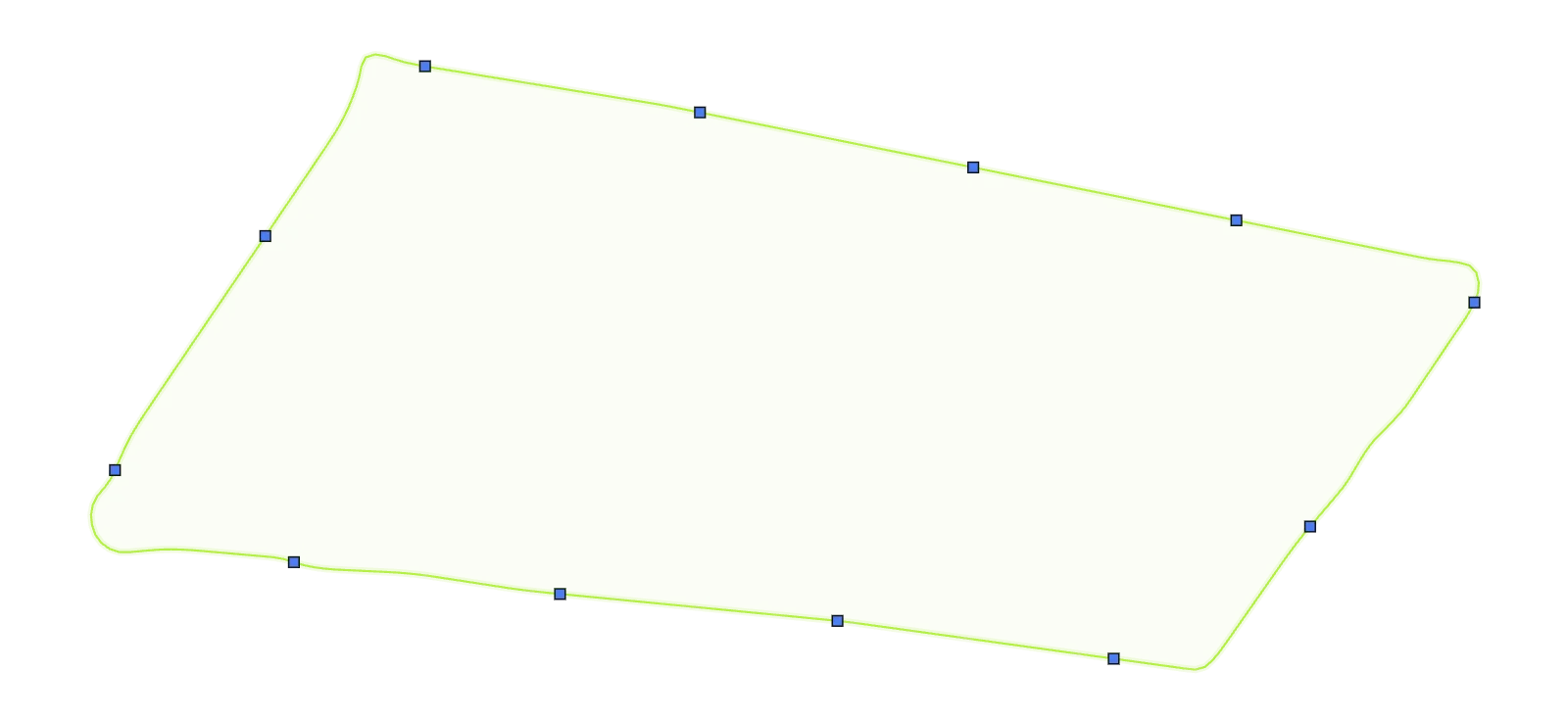
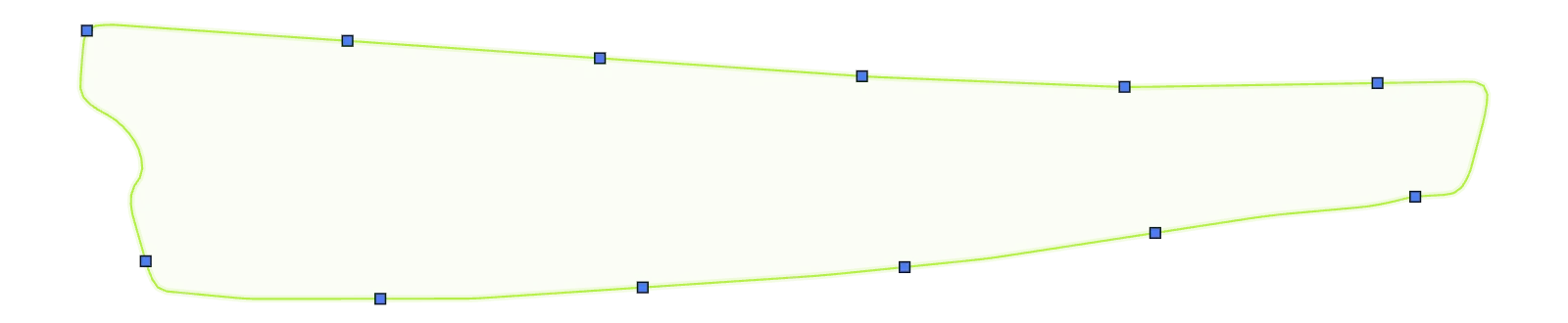
Built by installers and software people in Tartu, Estonia. You get build notes from the actual developers, not a newsletter robot.
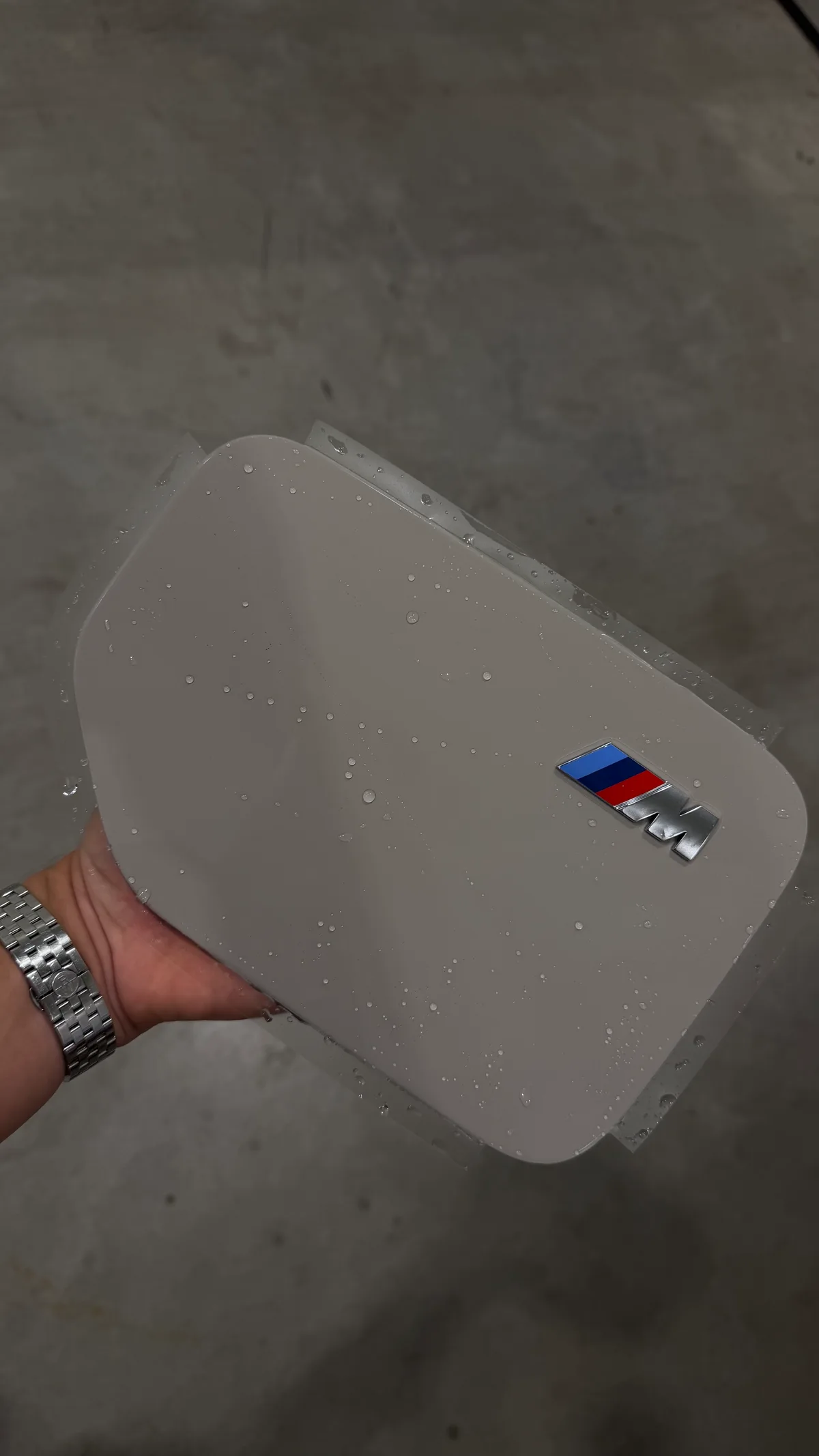
Case study / BMW X3 30e
No pattern library covered the fender and charging cap for this plug-in hybrid variant. See the custom cap templates and the film being fitted to the real part.
07 For installers
The car that is too new, the coverage nobody patterns, the paint nobody wants a blade near. Three jobs that walk in every month, and what each one looks like once you can pattern them yourself.
A customer books the week deliveries start. The pattern database won’t have the car for months. You scan it in the morning, flatten the front, and cut before lunch. No waiting for someone else to measure a car you already have on the lift.
In the catalog
Months away
In your bay
Same morning
The customer’s budget ends halfway up the hood. There’s no catalog entry for “partial front, this exact line.” You draw the coverage where they want it, test the stretch on screen, and cut it clean: designed, not improvised with a knife on paint.
In the catalog
No entry for it
In your bay
Cut to their line
A collector car, an exotic, a fresh respray. The database has nothing, and nobody is putting a blade near that paint. You scan the panel, build the pattern off the scan, and cut it on the plotter, so the film is the only thing that ever touches the car.
In the catalog
Nothing at all
In your bay
No blade on paint
09 Pricing
$400 for your first year and every annual renewal. Public launch price: $900/yr.
$400
for your first year
Presale
Public launch price
Installers only: never sold to film manufacturers.
Refundable in full until your access begins. One email, no questions.
Access begins at delivery (estimated December 2026). Your 12 months start then.
Taxes calculated at checkout.
Founder renewal: $400 / yr, price locked · public launch: $900 / yr · extra seats sold separately
Presale licenses
200 (once, ever)
Live availability loading
Want to see it run first? Request a workflow demo on your own missing-pattern job. No payment needed.
Not ready to pre-order? Get the launch note: one email when it ships, one when the presale licenses run out. Nothing else.
A presale license: 12 months of full PPF Engine access for $400, instead of the $900/yr public launch price. You also lock the same $400 annual renewal price for this one-seat license. You’re charged today; your year starts the day we deliver (estimated December 2026), not today. Until your access begins, you can get a full refund with one email.
Your presale purchase is a prepaid first year. It does not auto-renew and we will not charge you again automatically. Near the end, you choose whether to renew the same one-seat license annually for the founder price of $400, switch to an available shorter term at its then-current price, or walk away. Your $400 annual founder price stays locked.
A license includes one seat. The locked $400 annual renewal price applies to that original founder license. Additional seats can be purchased after launch at the prices offered for those seats.
If we miss the window you’ll get the choice: keep waiting or take an instant full refund. The people behind this cut film for a living; the tool exists because we needed it ourselves.
No. Licenses go to installation shops and independent installers only, never to PPF film manufacturers. And because it’s a desktop app, your scans and templates stay on your machine; nothing is uploaded to us or anyone else.
Export is SVG, DXF and PLT (HP-GL), developed and tested against a Graphtec FC9000. If your cutter reads any of those, you’re covered. Files are full-scale in millimetres with a 100 mm reference line so the scale is never in question.
Yes. Request a workflow demo and tell us the vehicle or panel your pattern library does not cover, plus your scanner and plotter. A person replies within two working days with a demo of the real software on a comparable panel, recorded or as a live screen share. It costs nothing and does not put you on a sales sequence.